
WRITING IDAHO
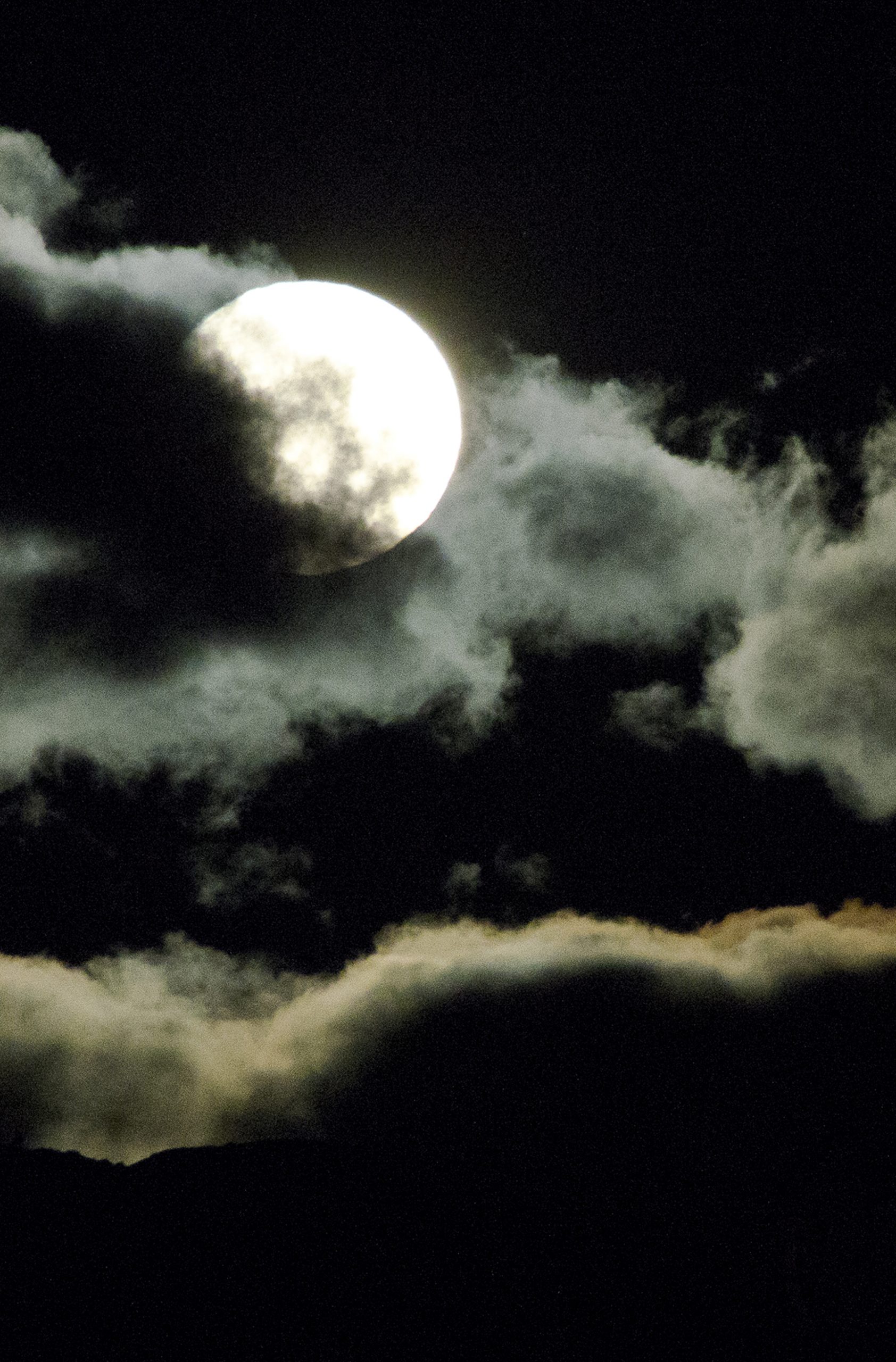
On a full moon night at Galena Lodge, my husband and I ventured on snowshoes out into the dark, lit by the moon, round and the color of bone. On our way home after dinner, we drove to Last Chance Ranch, a log cabin sited north of Ketchum. My husband Gerry said he wanted to photograph it in the moonlight. We crawled through the wood fence poles, he with his large format camera and I carrying his tripod. We hiked down the snow-covered driveway to get closer to the structure. The moon lit our way.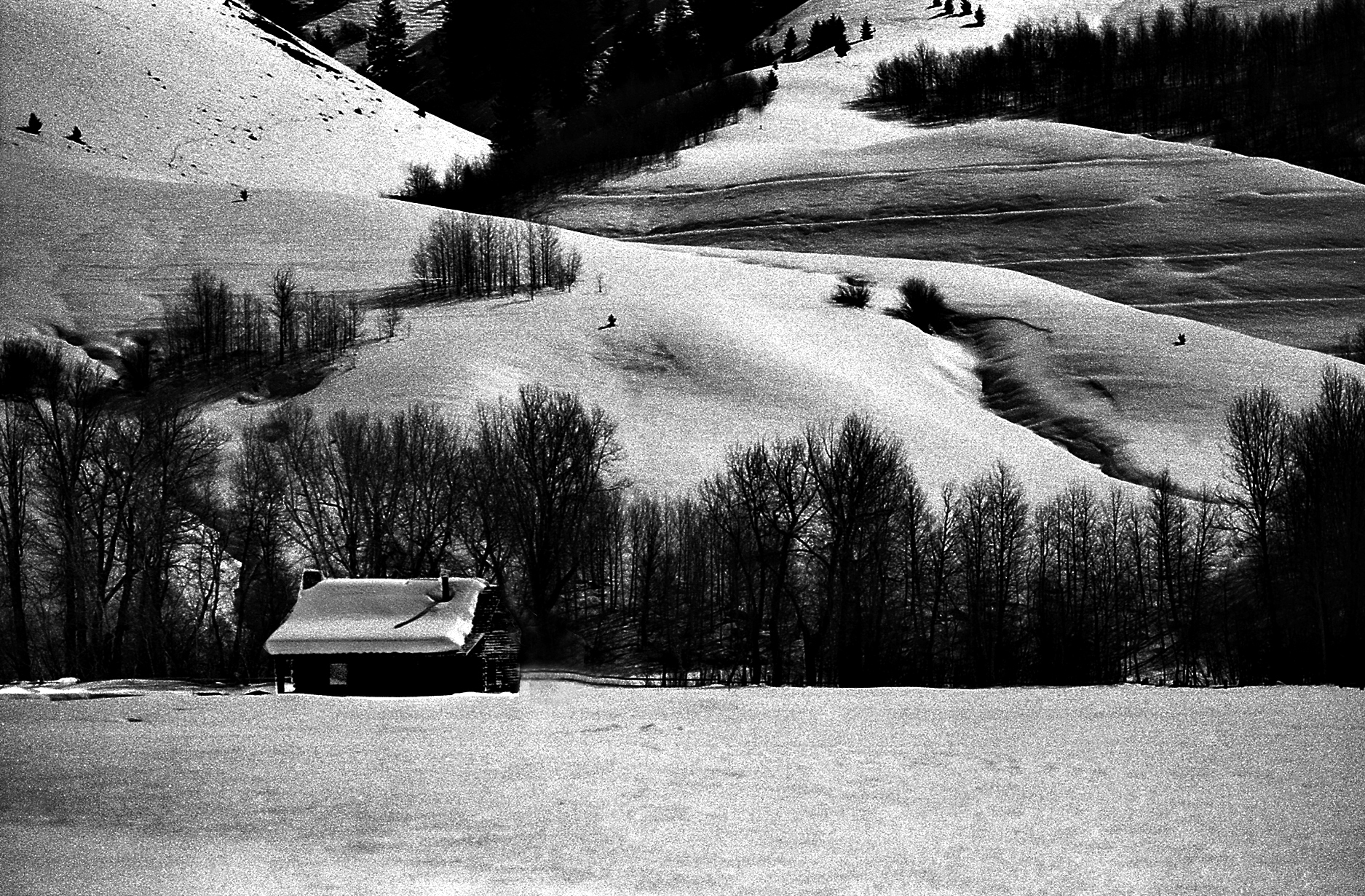 As he set up the camera on the tripod, pulled the black cloth over his head to focus, and took several photos, I studied the cabin. I spoke to Gerry. “I bet there is a dead body in there.” Dogs barked, not near but getting so. We hurried to pack up his equipment and scooted back through the fence.
That began my second career of writing mysteries.
As I mulled over a dead body in Last Chance Ranch, I needed someone to find it. I settled on Nellie Burns, a photographer from Chicago, inspired by Nellie Stockbridge of north Idaho fame. Burns is a family name, associated with photography in Boise. I also wanted a time period. The 1920s in Idaho created stories of women seeking independence, days of Prohibition, and opium. No wars to contend with, and Sun Valley wasn’t even a glimmer in Averil Harriman’s brain yet. What about a companion? Aha! A black Labrador dog named Moonshine after a similar pet of ours, now long-gone.
Many people who write mysteries prepare extensive outlines. I find a setting into which I can place my characters and see what happens. I sometimes have a rough plot in my head, but mostly, I write by the seat-of-my-pants. I am what is known as a “pantser.”
The place or setting determines in large part the action of my novels. Moonshadows, my first, takes place in winter with deep snow, the Big Wood River with ice caking its edges and snow bridges, ghostly empty aspen trees, and coyotes.
Two novels are set in the Stanley Basin. One features cowboy and Basque sheepherder confrontations and magnificent scenery and sheep. The 1920s conjures bootleggers, so they appear, too. Basque Moon.

View from Lower Stanley
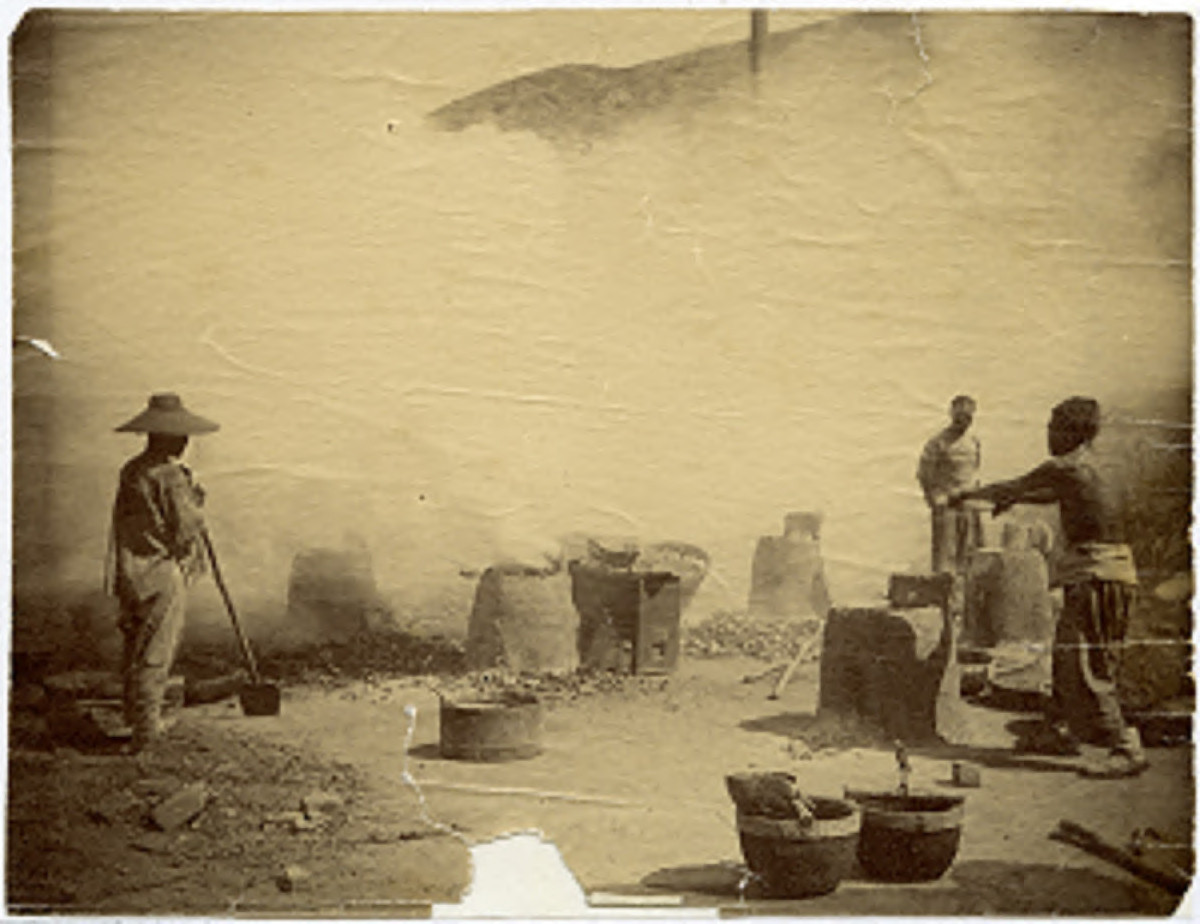
The second focuses on the Chinese population of the period and the now deserted ghost town of Vienna. Moon Bones.
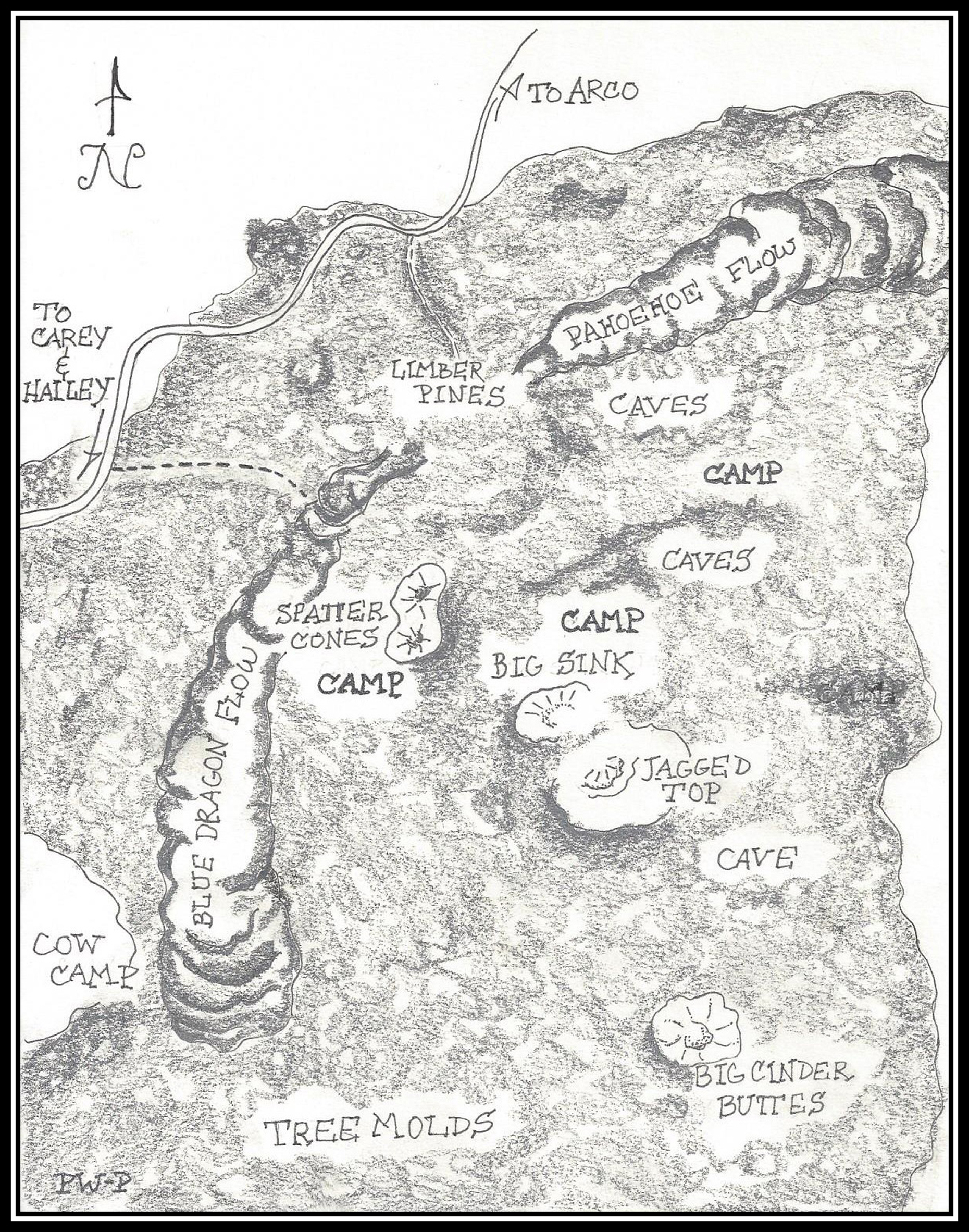
Imagine a setting in Craters of the Moon and what could happen there—ice caves, lava, spatter cones and all. Moonscape.

I grew up in Kellogg, Idaho, a mining town, and I used the mines operating during Prohibition and the flapper days for exciting events both inside and outside the diggings. Miners’ Moon.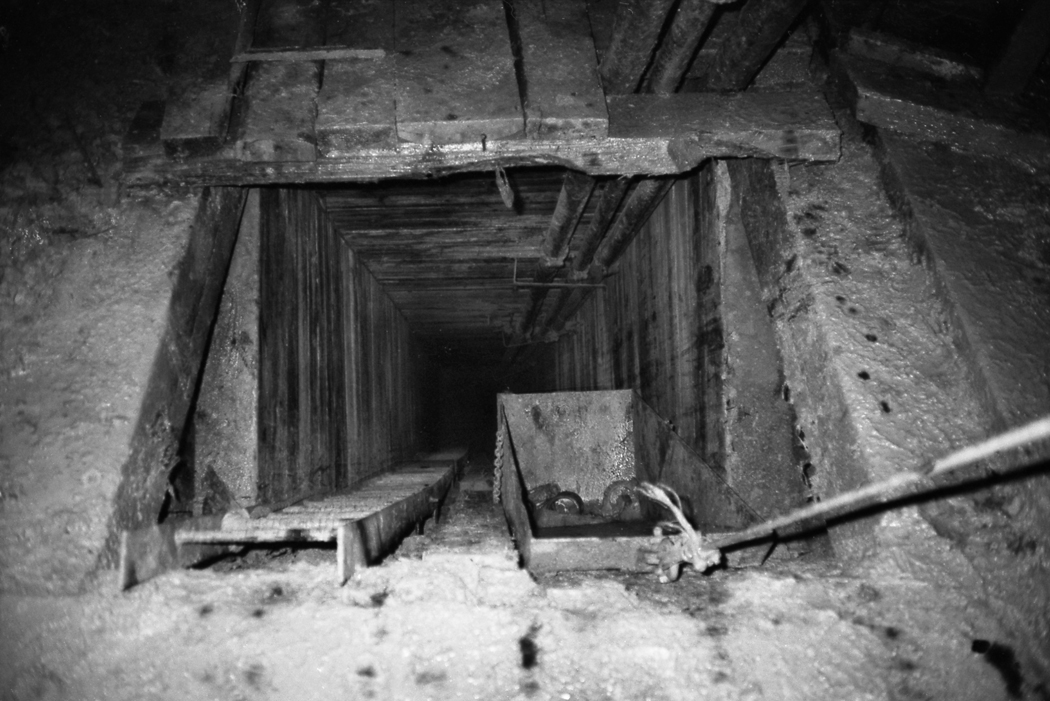
Figuring out when and where a murder takes place, who did it and why, has been a thoroughly entertaining second career. Learning from my husband about photography and researching at the Community Library Regional History Center, plus reading books of the period, fill my days and my thoughts. Upcoming is an adventure on the Salmon River, the River of No Return.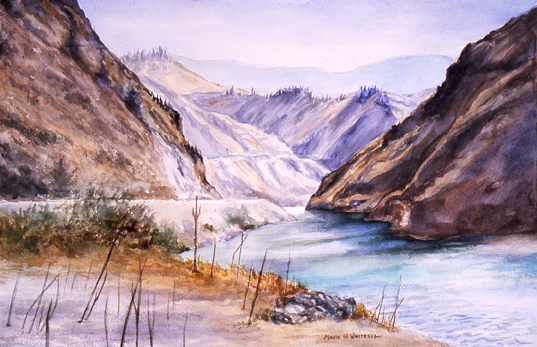
Try it! Pick a setting, add some characters, and see what happens!
Book recommendations:
Every year, I sign up for the Goodreads Challenge. I usually list 100 books as my goal. I don’t always get there. This year, I am trying to read more. Some of the best books I have read so far:
Fiction:
William Kent Kruger hooked me last year and I have been reading his series. I am caught-up, I believe. I highly recommend his books with his series character Cork O’Connor and his family. The first one is Iron Lake, although I found it didn’t matter all that much to read as I could get them, in all orders.
Remarkably Bright Creatures by Shelby Van Pelt – An octopus is the star of this story in an aquarium along the coast of Washington state. The book is a delight.
Susan Matley has written a series of fascinating novels about the Pantheon of Greek gods and goddesses. I just finished Crisis in Big-G City, the fourth. I highly recommend all of them. They are fascinating reads with lots of excitement and knowledge about the myths and god- and human-frailty.
Nonfiction:
The Ledge by Jim Davidson and Kevin Vaughn – A climb gone wrong on Mount Rainier.
Prequel by Rachel Maddow – The rise of home-grown Nazis before and during WWII. I was amazed at what I didn’t know about that period.
True West by Betsy Quammen – an excellent book about the myths of the West.
Desert Notes, River Notes by Barry Lopez. We saw a reference to River Notes in a column by Terry Tempest Williams in High Country Journal about Lopez. Any of his books can be read and re-read with discoveries each time.
An Unfinished Love Story by Doris Kearns Goodwin – This is a wonderful book about the ’60s, told by one of the best writers we have. Her husband, Richard Goodwin, was a speech writer for John Kennedy and Lyndon Johnson, plus being an articulate and prolific essay writer during that time. Highly recommended.
Photos of my mystery series locations by Gerry Morrison, except Down the Shaft. Map by Poo Wright-Pulliam. Chinese and flapper photos courtesy of The Community Library in Ketchum. Painting by Marie Whitesel
This blog appears in a recent communication from the Community Library in Ketchum in a slightly different form in its May issue.
Good for you Julie….haven’t had time to read much…have two households to manage alone…and am going on my 91st year…am doing a lot of writing however…will try to read some of your work soon…keep up the good work…Janie
Thank you, Janie! You are an amazing woman. I miss and love you.
You think and write very well Julie. I still owe you the picture of Maryanne, you and Dad. Many revisions in my story about Mother and Dad. I’m getting there but the process is s-l-o-w. Jim
Thanks, Jim. Memoirs take a LOT of time!Keep at it!
Always love your blog, Pantser.
Thanks, Stew!
Julie….thanks for your Blog and for your book recommendations….always needed for our book club here in Spokane….enjoy your summer!
Thank you, Betsy! I see you have a class reunion scheduled. We graduated the same year, about 60 miles apart. 🙂 I remember our basketball rivalry.